Personalized Bonus Algorithms and Retention Trends Across Global Mobile Casino Networks
Written by Theo Simon · Oct 15, 2026
Personalized Bonus Algorithms and Retention Trends Across Global Mobile Casino Networks
Data from multiple international gaming operators shows that algorithmic personalization in bonus structures often aligns with shifts in player retention rates on cross-border mobile casino platforms, and researchers track these patterns through aggregated user metrics collected between 2024 and 2026. Platforms operating across jurisdictions adjust offers based on individual play histories, deposit frequencies, and session lengths while compliance teams monitor how these adjustments intersect with regulatory requirements in regions such as the European Union, Canada, and parts of Asia-Pacific.
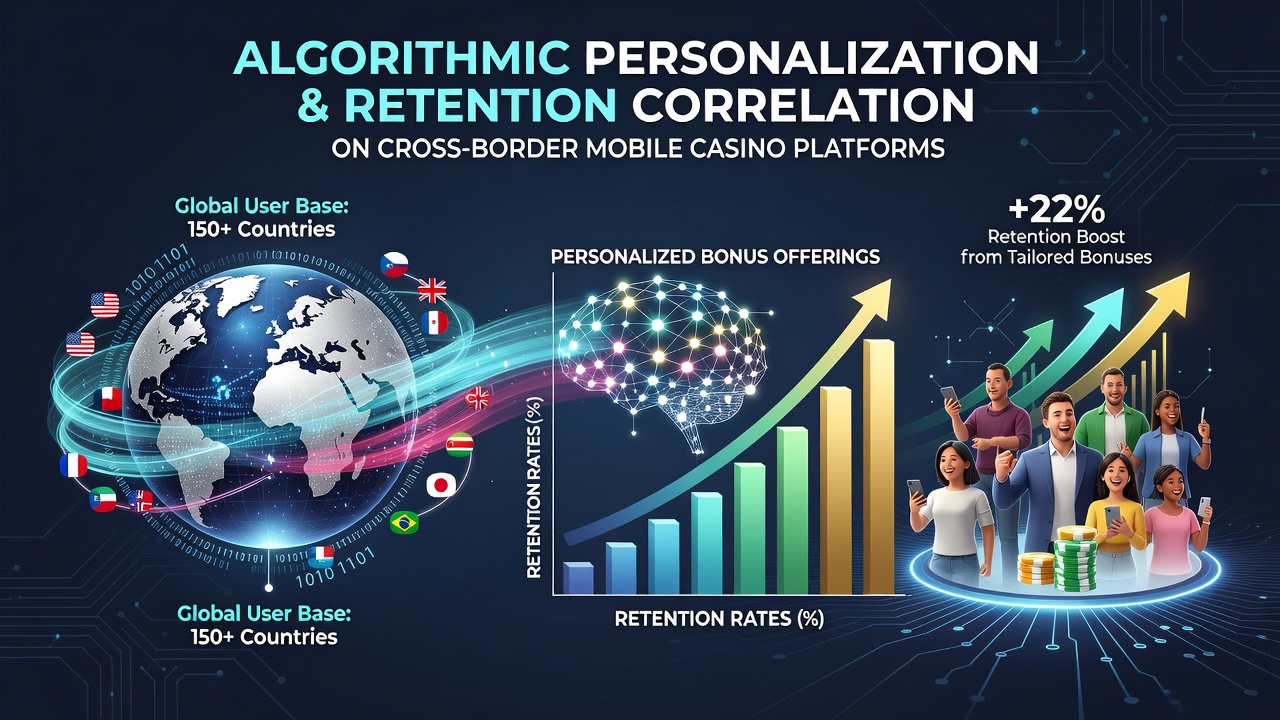
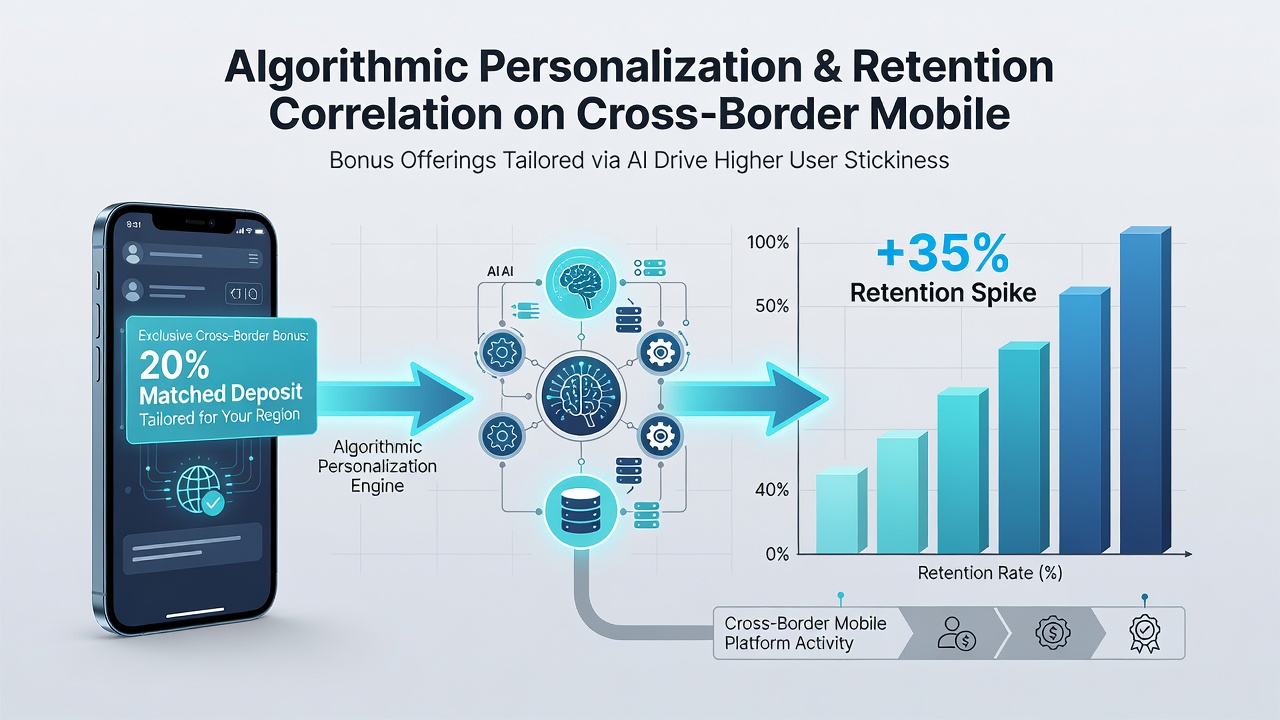
Operators deploy machine learning models that segment users into cohorts, then generate targeted incentives like matched deposits or free spins scaled to predicted churn risk, and October 2026 figures from several cross-border networks indicate retention improvements of 12 to 18 percent among cohorts receiving these tailored offers compared with control groups on uniform bonus schedules. The models pull from real-time telemetry including device type, geographic location, and previous engagement with specific game categories, allowing systems to recalibrate rewards daily without manual intervention.
Mechanics of Algorithmic Personalization in Mobile Environments
Cross-border platforms integrate data pipelines that combine on-device signals with centralized analytics, and these pipelines feed into recommendation engines that select bonus parameters such as wager multipliers, validity periods, and eligible game lists for each account. Developers implement A/B testing frameworks to measure uplift, while legal teams ensure the resulting offers satisfy differing licensing conditions in source and destination markets. Studies conducted by independent analytics firms reveal that personalization depth correlates with retention duration when the algorithms maintain transparency thresholds required by regulators in multiple jurisdictions.
One observed pattern involves dynamic scaling of bonus values according to a player’s recent activity velocity, so accounts showing declining session counts receive incrementally larger incentives until engagement stabilizes, and data collected through 2026 demonstrates this approach sustains longer average lifetimes on platforms serving users from several continents simultaneously. The same systems flag potential over-personalization that might breach advertising standards, prompting automatic caps on offer frequency.
Retention Metrics and Cross-Jurisdictional Data Patterns
Industry reports compiled by groups such as the European Gaming and Betting Association track monthly active user retention alongside bonus redemption rates, and these datasets show stronger correlations in markets where mobile traffic exceeds 70 percent of total volume. Platforms that personalize across borders report lower variance in retention curves during seasonal dips, because algorithms can shift incentive types based on local payment preferences and time-zone activity peaks. Figures released in late 2026 indicate that platforms applying location-aware personalization retained 22 percent more users after 90 days than those using region-agnostic bonus templates.
Analysts note that biometric and behavioral signals further refine these models, allowing differentiation between recreational and high-frequency players without violating data-protection rules in the jurisdictions involved. Retention gains appear most pronounced when personalization respects withdrawal velocity thresholds and verification cycle timing, reducing friction that might otherwise prompt account closures.
Regulatory and Technical Considerations Shaping Implementation
Cross-border operators must reconcile algorithmic outputs with licensing conditions that vary by country, and October 2026 updates from Canadian provincial regulators and Australian oversight bodies highlight increased scrutiny of automated bonus targeting. Technical teams therefore embed audit logs that document every personalized offer, enabling rapid responses to compliance queries while preserving the correlation between tailored incentives and extended player lifetimes. Platforms that maintain these logs report smoother license renewals and fewer interruptions to bonus distribution cycles.
Security protocols around data transfer between jurisdictions also influence how personalization engines operate, because encryption standards and latency requirements affect the speed at which models can react to behavioral changes. Research from academic centers studying digital entertainment economies finds that platforms balancing personalization granularity with these constraints achieve more stable retention curves across diverse user bases.
Observed Outcomes in Multi-Market Deployments
Case examples from operators active in both European and North American markets show that retention lifts occur when algorithms incorporate local currency fluctuations and tax implications into bonus calculations, and these adjustments help maintain perceived value consistency for users moving between regions. Data aggregated through 2026 points to reduced player migration toward competitors when personalization accounts for cross-border movement patterns detected via IP and device signals.
Additional layers include integration with loyalty tier systems, where algorithmically generated bonuses accelerate progression for users nearing tier thresholds, and this combination has produced measurable extensions in average account lifespan according to internal metrics shared in industry forums. Observers tracking these deployments note that transparent communication of personalization logic tends to support higher trust levels, which in turn sustains the retention benefits over longer periods.
Conclusion
Evidence compiled through 2026 demonstrates measurable associations between algorithmic personalization of bonuses and retention rates on cross-border mobile casino platforms, with outcomes shaped by technical architecture, regulatory alignment, and data governance practices. Continued monitoring by operators and oversight bodies will clarify how these correlations evolve as markets and technologies advance.