State Regulatory Reviews Shape Digital Wallet Deployment Schedules in Mobile Wagering Platforms
Written by Elena Wagner · Nov 11, 2026
State Regulatory Reviews Shape Digital Wallet Deployment Schedules in Mobile Wagering Platforms
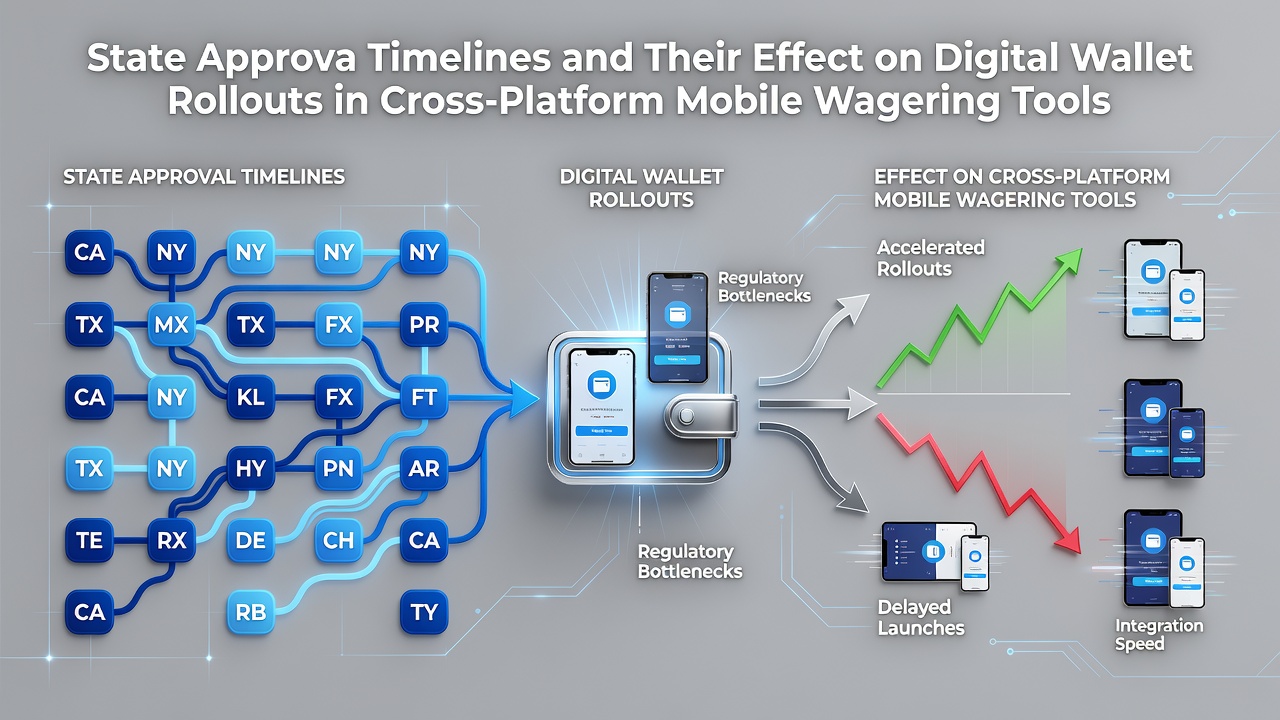
State approval timelines create measurable differences in how quickly digital wallet features reach users on cross-platform mobile wagering tools, and operators must align product launches with each jurisdiction's review cycles before integrating payment systems across iOS and Android environments.
Core Elements of State Approval Processes
Regulatory bodies evaluate security protocols, transaction logging standards, and compliance with responsible gaming requirements before granting permission for digital wallet functions, and these evaluations often span several months depending on the volume of documentation submitted and the complexity of the proposed integrations.
Data from multiple jurisdictions shows that states with established online gambling frameworks tend to complete reviews faster than those entering the market for the first time, while newer regulatory teams require additional time to assess technical specifications for cross-platform compatibility.
Direct Effects on Wallet Rollout Planning
Operators adjust development roadmaps when approval windows shift, and delays in one state frequently push back synchronized launches that were intended to cover multiple platforms simultaneously; teams therefore maintain separate timelines for each market to avoid cascading postponements.
Research indicates that mobile wagering applications using unified codebases must still undergo state-specific testing for wallet modules, and this requirement adds layers of verification that extend beyond standard app store submissions.
Examples From Active Markets
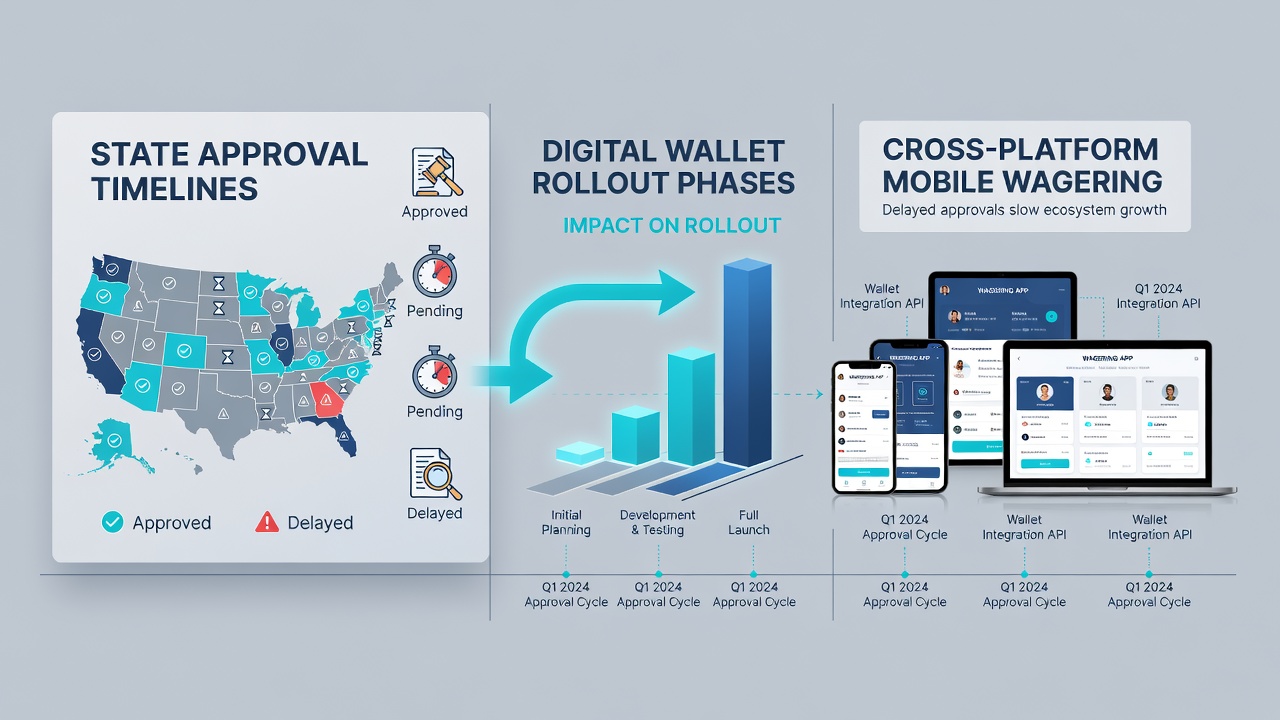
New Jersey completed several digital wallet approvals in under four months during 2025, allowing operators to activate features like instant deposits and withdrawals on both mobile operating systems within the same quarter, whereas Pennsylvania reviews during the same period extended to six or seven months for comparable systems.
One study revealed that platforms targeting multiple states built modular wallet components so individual features could activate as soon as each jurisdiction granted clearance, and this approach reduced the time between initial approval and full cross-platform availability.
November 2026 Outlook and Ongoing Adjustments
Several states have scheduled final reviews for wallet-related submissions in November 2026, and operators are preparing contingency plans that include phased feature releases if approvals arrive at staggered intervals rather than in coordinated batches across platforms.
According to the New Jersey Division of Gaming Enforcement, recent submissions now include detailed data on cross-border transaction handling, a requirement that emerged after earlier implementations exposed gaps in multi-state compliance tracking.
Industry Adaptation Patterns
Teams working on portable wagering solutions have started embedding conditional code paths that activate wallet functions only after receiving state confirmation, and this practice prevents premature launches that could violate regulatory terms. Observers note that companies maintaining dedicated compliance staff in each major market reduce the average time from submission to approval by roughly 30 percent compared with centralized teams handling all jurisdictions.
Figures from the Victorian Commission for Gambling and Liquor Regulation show similar patterns in non-U.S. markets where staggered approvals influence how quickly integrated payment options appear across devices.
Conclusion
State approval timelines continue to set the pace for digital wallet availability in cross-platform mobile wagering tools, and operators respond by building flexible architectures that accommodate varying review durations while maintaining consistent user experiences once clearances are granted. The relationship between regulatory schedules and technical rollouts remains a central factor in market expansion strategies.